Reproducible Randomness
A Power-Feature to Aid Testing Quality

What is Randomness?
A big question for a simple problem
Randomness, in its most common usage, refers to the apparent or actual lack of a definite pattern or predictability in information or events.
When something is random, individual outcomes are unpredictable.
- Randomness in real life is based on physical properties
- A computer, by default, does not have access to physics
- So, randomness is modelled by an algorithm
- PRNG: Pseudo-Random Number Generators
- HRNG: Hardware Random Number Generators
Under The Hood
Just a quick view under the hood - Math incoming
PNRG
- Start with a number, called seed
- Apply some math
- Get a pseudo-random number
- Repeat
- Same seed, same sequence
- Each number advances the sequence
- An RNG has an internal state
- Most have equally uniform distribution
Linear Congruential Generator (LCG)
a = 13c = 41m = 97
 0 41 89 34	95 15 42  5  9 61 58 19 94  2 67 39 63 84 66 26 88 21 23 49	96
 1 54 64  0 41 89 34 95 15 42  5  9 61 58 19 94  2 67 39 63 63 84 66 26 88
 2 67 39 63 84 66 26 88 21 23 49 96 28 17 68 52 38 50 12  3 80 14 29 30 43
 3 80 14 29 30 43 18 81 27  4 93 86 92 73 20 10 74 33 82 40 76 59 32 69 65

42  5  9 61 58 19 94  2 67 39 63 84 66 26 88 21 23 49 96 28 17 68 52 38 50
Under The Hardware Hood
Make things more secure
HNRG
- Physical Entropy Source
- Digitize analog signal
- Conditioner: Remove bias and improve randomness
- Health test
- Your number
- HNRGs are slow
- Sources, e.g. Thermal Noise, Clock Jitter, Atmospheric Noise
- PNRGs can be enhanced with entropy sources
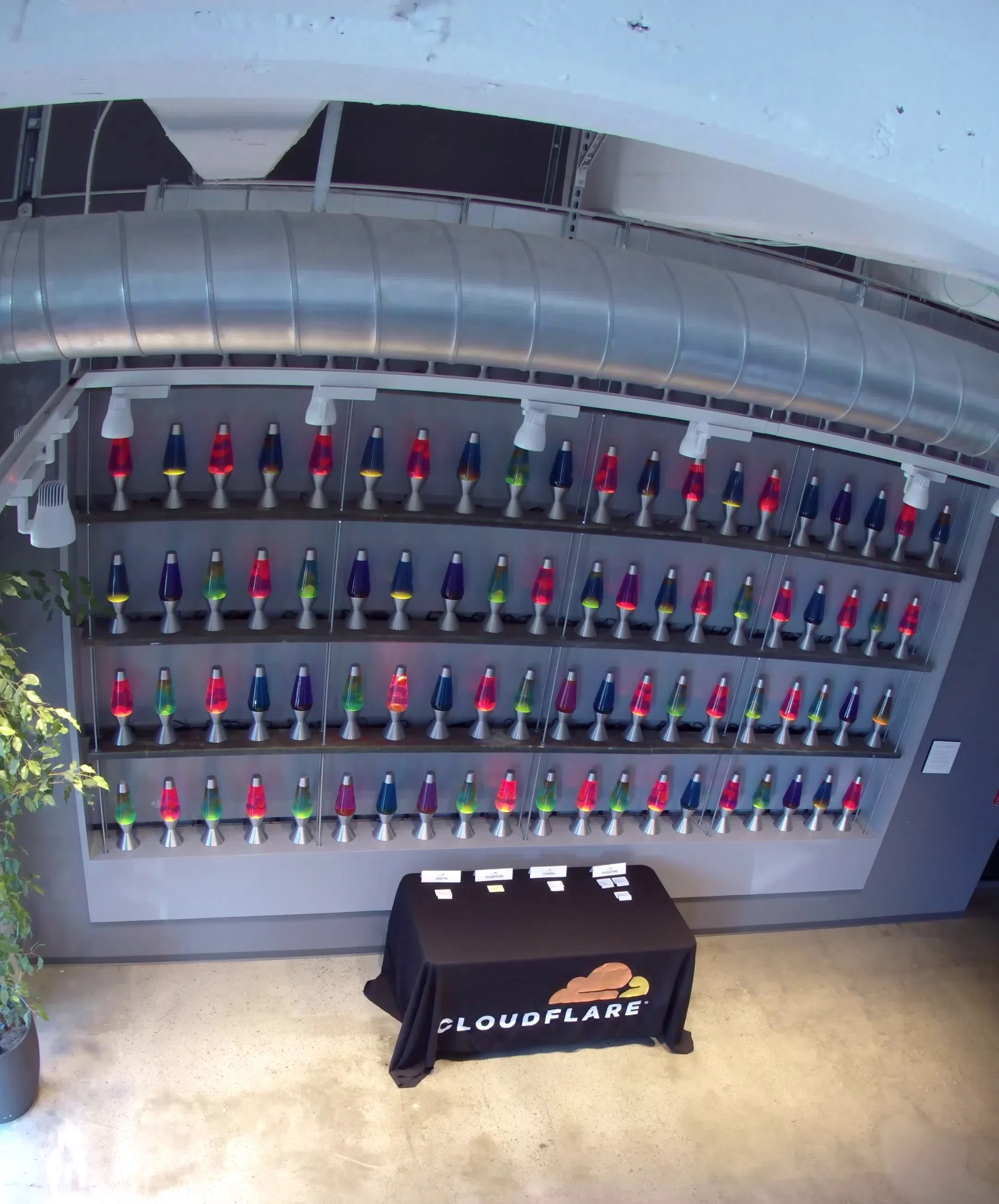
A camera is a good source
A digital camera sensor creates perfect random noise

SHA-1: 4f93ef067ac75a15fc449dba838734e9f1bb9989

SHA-1: 149c6a70434fe11bf691c5bea318779f9c669332
The Testing Challenge
Why we need but don't want randomness
Fixed Testing
- Caching effects (on any layer)
- Data access effects
- Might cause rhythm
- Low coverage
- More or less stress
- Ordering effects
- Errors are simpler to reproduce
Random Testing
- More stress on components
- Broader coverage
- Discover ordering effects
- Finding of functional side-effects
- Errors are harder to reproduce
Randomness in XLT
Randomness but Reproducible
Concept Seeding

Concept Rounds
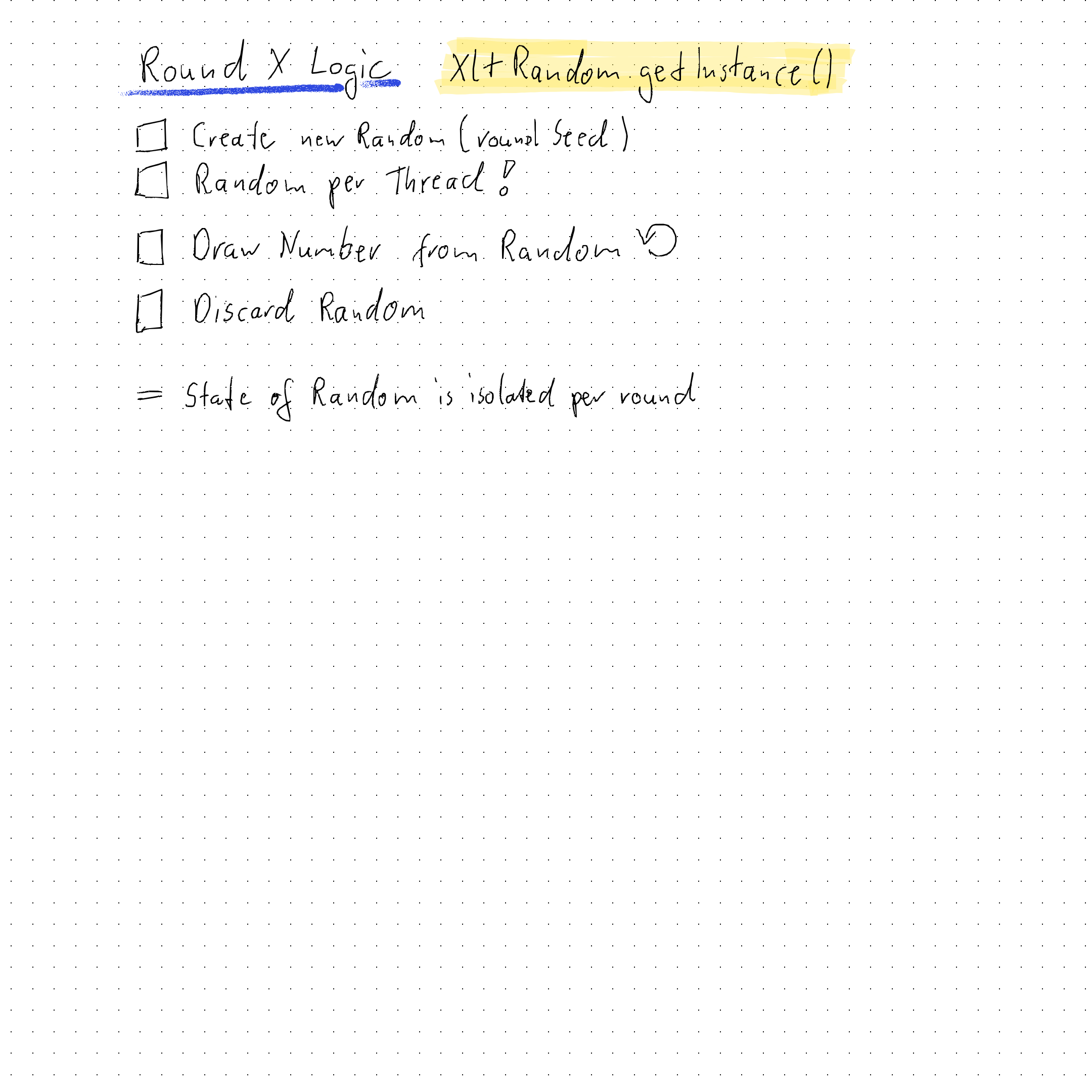
Load Test vs. Development
The difference that makes things reproducible
Load Test
com.xceptance.xlt.random.initValuegoes into the seeding process as part of a calculation- If not set, the current time millis will be used
Local Test
com.xceptance.xlt.random.initValueis the only seed source- If not set, the current time millis will be used
- If multiple iterations could run, they continued the load testing way with
31 * seed1 + 1
Debugging
How to reproduce randomness
- Open a result browser
- Click the test case name
- Copy the
initValue - Paste it into your
dev.properties - Run your local test case

## Initial value to use the same randomness for local development
com.xceptance.xlt.random.initValue = 3541978581159734743
Limitations
Limitations might apply depending on context
- If the system under test changes, the random sequence might be different.
- If you change your code and you draw one more or less number, the result will change.
- If you use random in class initialization code, things might be different (will be fixed).
- Use a fixed seed for a load test as well to get a similar series replayed.
- Due to the timing of users, the system under test might exhibit different behavior.
- Fixed seeds for a load test might backfire.
- A different XLT version might create different series.
Real Randomness
When you cannot afford repeatable randomness
- Something must be unique and cannot repeat
- Such as emails, account names, and IDs
- You must not use XltRandom
java.util.Randomand a random seed- Seed:
System.currentTimeMillis()orSystem.nanoTime() - Or
UUID.randomUUID() - Or
java.security.SecureRandombut it is slower, ok for a few numbers such as an emails - Secure random uses a cryptographically strong pseudo-random number generator (CSPRNG) that includes system entropy.